
Animation: Bane & Bond
A deeper look into how animation reshaped my approach to design, from frame-by-frame character work with Cast and f0rg to motion graphics built in Adobe After Effects and Adobe Premiere Pro. This post explores what I learned about timing, rhythm, and storytelling through movement, and how those lessons now influence everything I create, even beyond animation.
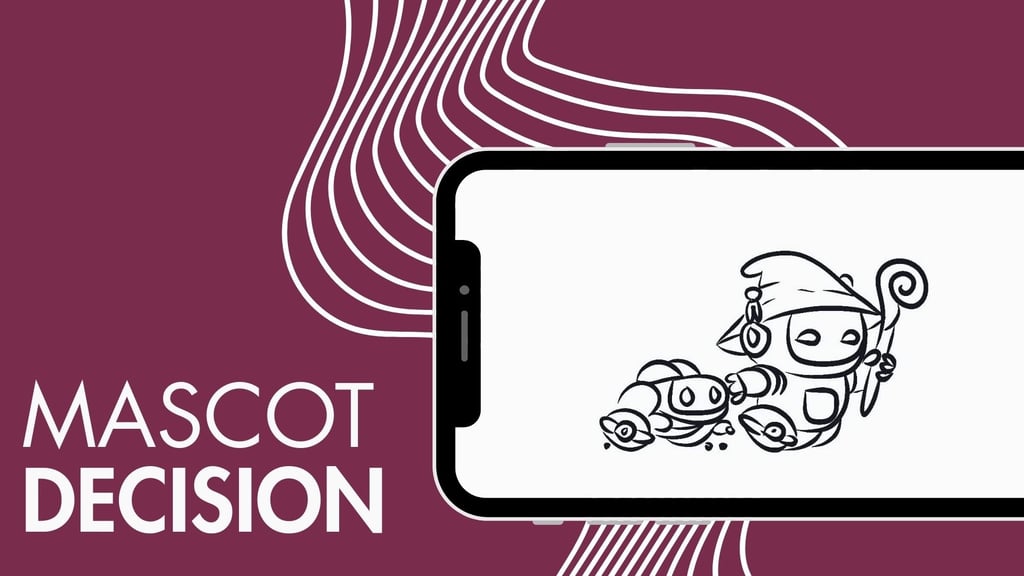
Animation was never something I initially set out to focus on, but the more I worked with it, the more it started to reshape how I think as a designer. Most of my background is in static design, where you can refine a single composition until it feels finished. Animation doesn’t give you that same sense of control. Instead of one perfect frame, you’re responsible for a sequence of moments that all have to connect, flow, and feel intentional over time.
A lot of my experience has been with frame-by-frame animation, especially when working on my character concepts like Cast and f0rg. Bringing them to life wasn’t just about drawing them well, it was about understanding how they move, how they react, and how small changes in expression or posture communicate personality. Frame-by-frame animation forced me to slow down and think through each motion. Even something simple, like a blink or a small bounce, required multiple decisions about timing and spacing. I started to notice how a few frames added or removed could completely change the tone, making something feel energetic, heavy, or even awkward.
Working on Cast in particular pushed me to think about consistency across movement. Since the character has a more structured, almost modular design, I had to be precise with proportions and motion to keep everything feeling cohesive. On the other hand, f0rg is more expressive and loose, which gave me room to experiment with exaggerated movement and personality. Switching between those two styles helped me understand how animation isn’t one-size-fits-all. The way something moves should reflect what it is.
At the same time, I’ve been developing a different set of skills through motion graphics using tools like Adobe After Effects and Adobe Premiere Pro. Instead of drawing every frame, I started working with keyframes, easing, and transitions. This came into play a lot when creating title sequences, animated intros, and transitions for various projects. I learned how important pacing is in these contexts. A title that appears too quickly feels jarring, while one that lingers too long loses impact. Finding that balance is what makes motion feel polished.
One of the biggest shifts for me was understanding easing. Linear motion feels rigid and mechanical, but easing allows movement to accelerate and decelerate naturally. That one concept alone changed how I approached animation. It made everything feel more intentional and less robotic, and it’s something I now think about even outside of motion work, especially when designing interactive elements.
Across both frame-by-frame animation and motion graphics, the biggest lesson has been how much animation is about rhythm. It’s not just about movement, it’s about timing, pacing, and flow. When something is off by even a fraction, it disrupts the entire sequence. When it’s right, it feels seamless and almost invisible. That awareness has carried into my other work. I now think about how a viewer moves through a design, whether it’s a website, a campaign, or a simple layout. Animation taught me to design experiences, not just visuals.
It also changed how I approach problem-solving. Animation is inherently iterative. You test something, play it back, adjust it, and repeat. There’s no shortcut to getting it right. That process made me more patient and more willing to refine my work instead of settling for something that’s just “good enough.” It also helped me become more comfortable with experimentation. Not every idea works, but every attempt teaches you something.
What I didn’t expect is how transferable these skills would be. Even when I’m not actively animating, I’m still thinking in terms of motion. I consider how elements enter and exit, how attention is guided, and how pacing affects engagement. Animation added a new layer to how I approach design, one that goes beyond aesthetics and into experience.
It’s still something I’m continuing to build on, but it’s already had a lasting impact on my work. Learning animation didn’t just give me a new skill, it changed how I think about time, movement, and storytelling in everything I create.
GET IN TOUCH
@kairifydesign
max@kairify.com