
How I Turn Ideas Into Systems
An inside look at how I approach design beyond individual visuals by building structured, scalable systems. Using projects like CrackPots, I break down how consistency, rules, and intentional decisions create work that holds together across platforms.
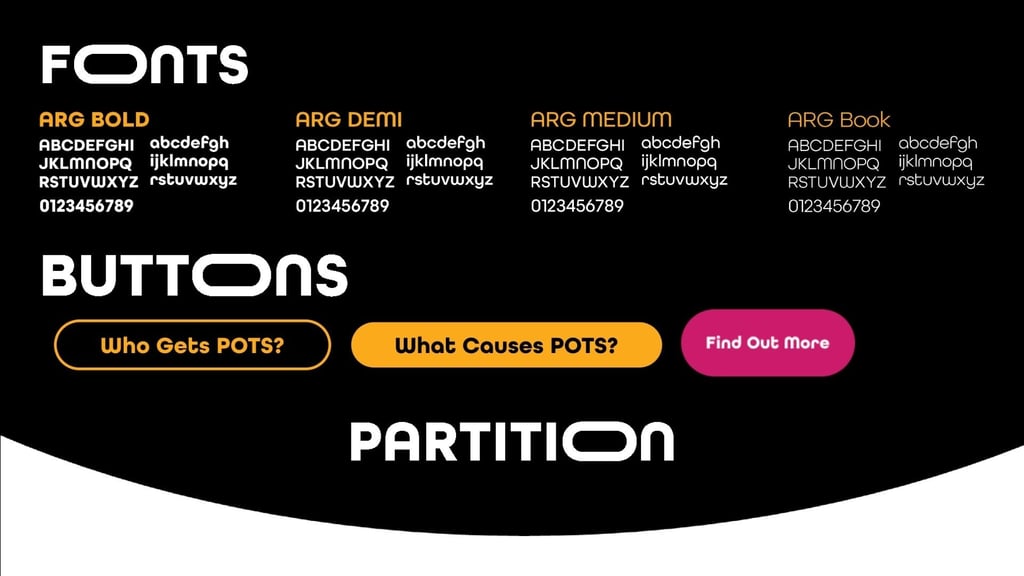
One of the biggest changes in how I approach design is shifting from thinking about individual outputs to thinking about systems. Early on, it was easy to focus on making something look good in isolation, a logo, a poster, a single page. But the more projects I worked on, the more I realized that strong design isn’t just about individual pieces, it’s about how everything connects.
A system is what holds a project together. It defines how elements relate to each other, how they’re used across different contexts, and how the design can grow without losing consistency. Without that structure, even well-designed pieces can start to feel disconnected when placed side by side.
Projects like CrackPots made this shift clear. Instead of creating one-off visuals, I had to think about how everything would function as a cohesive whole. That meant defining rules for icon construction, establishing consistent shapes and angles, and creating a color system that could be applied across different materials. It wasn’t just about making something visually appealing, it was about building something that could scale.
Creating those rules forced me to be more intentional. Every design decision had to connect back to the system. If something didn’t fit, it wasn’t just a small issue, it affected the integrity of the entire project. That level of consistency is what makes a brand feel recognizable and reliable.
This approach also changed how I start projects. Instead of jumping straight into visuals, I spend more time thinking about structure. What are the core elements? How will they be used? What needs to stay consistent, and where is there room for variation? These questions shape the design before anything is finalized.
Working this way also makes collaboration easier. When there’s a clear system in place, other people can understand how to work within it. The design becomes more accessible, not just something that exists in one person’s head. That’s especially important in real-world scenarios where multiple people are contributing to the same project.
Another benefit is scalability. A strong system allows a project to expand without losing its identity. Whether it’s adding new assets, adapting to different platforms, or evolving over time, the core structure remains intact. That flexibility is what makes a design sustainable.
At the same time, systems don’t have to be rigid. There’s still room for creativity within a structured framework. In fact, having defined boundaries can make creative decisions clearer. Instead of starting from nothing, you’re working within a set of guidelines that help direct your ideas.
This mindset extends beyond branding. I’ve started applying system-based thinking to web design, 3D projects, and even animation. In each case, the goal is the same, create something that works as a whole, not just as individual parts.
Designing systems takes more effort upfront. It requires planning, testing, and refining before anything is finalized. But that investment pays off. It leads to work that feels cohesive, intentional, and adaptable.
Over time, I’ve come to see systems as the foundation of good design. They provide structure, consistency, and clarity. And once you start thinking this way, it’s hard to go back to designing in isolated pieces.
GET IN TOUCH
@kairifydesign
max@kairify.com