
My Experience 3D Printing
When I first got into 3D printing, I was using it for robotics and basic part printing from pre-existing files. The transition to using it for my design work came pretty naturally, it's a gamechanger: making something that can actually exist, function, and hold up in the real world.
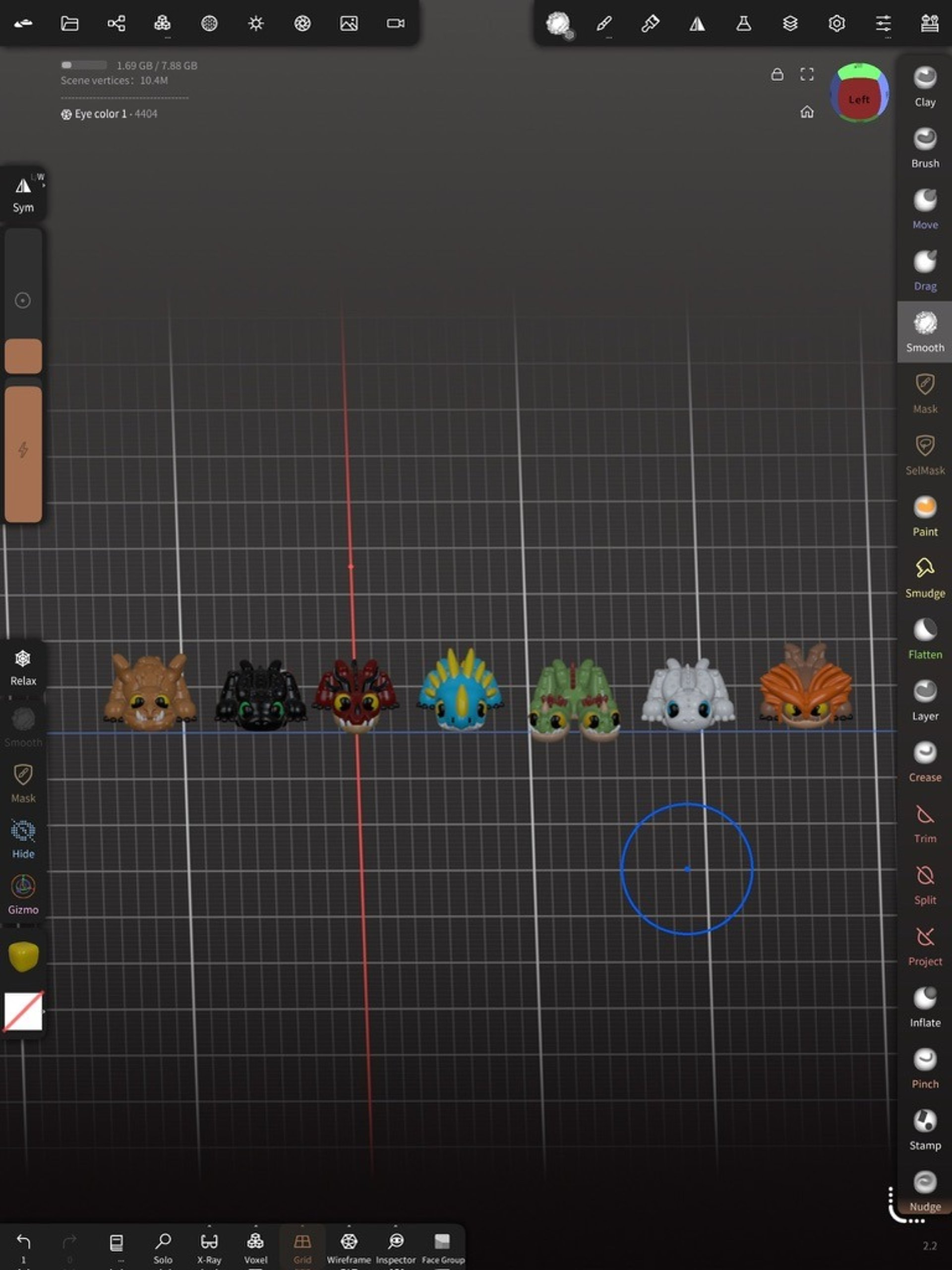
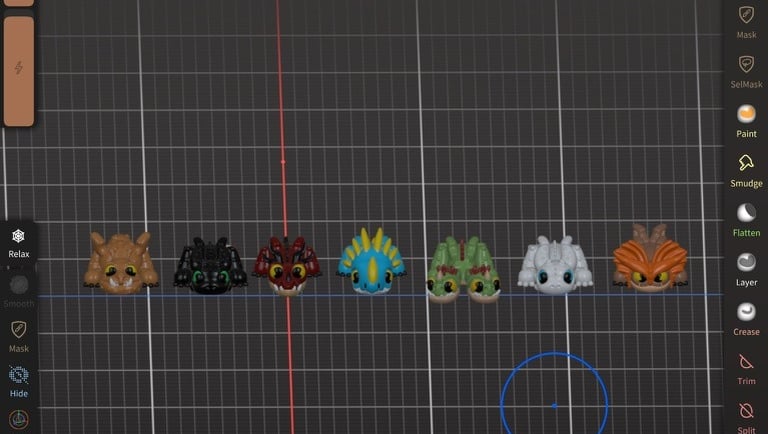
A lot of my early work started in sculpting programs like Nomad Sculpt, where I created character models and more organic forms. Sculpting felt intuitive because it’s closer to drawing, but I quickly realized that what works visually doesn’t always translate to print. Thin areas break, proportions warp, and details get lost depending on scale. That’s where I started learning how to balance aesthetics with structure.
At the same time, I experimented with more geometric tools like Tinkercad and Womp. These helped me understand precision. Instead of sculpting freely, I had to think in exact measurements, alignments, and clean shapes. It changed how I approached building forms, especially for functional prints or anything that needed parts to fit together.
One of my favorite areas to explore has been articulated and multi-part designs. Making things that move forced me to think about tolerance, spacing, and how pieces interact after printing. That trial-and-error process taught me more than anything else. Every failed print showed me exactly what needed to change.
The Xenova mask project pushed everything further. Designing something wearable meant thinking about human proportions, comfort, and assembly. I printed it in sections, then sanded, painted, and finished it by hand. That’s when I realized 3D printing doesn’t end when the print finishes. Post-processing is part of the design.
On the hardware side, I started with the FlashForge Adventurer 5M, which was a great introduction. It helped me understand slicing, calibration, and the basics of consistent printing. But upgrading to the Anycubic Kobra S1 Combo completely changed what I could do. Being able to print in multiple colors opened up new creative possibilities and reduced the need for painting in some projects. It also made me think more intentionally about how I design models for color separation.
The biggest thing I’ve learned through all of this is that 3D design is problem-solving. You have to think ahead, test constantly, and accept that things won’t work the first time. My advice for anyone starting out is to experiment as much as possible. Try different programs, don’t be afraid of failed prints, and pay attention to why something didn’t work. Start simple, but don’t stay there too long. Push your ideas into something physical, even if it’s imperfect.
3D printing added a completely new dimension to my work, literally and conceptually. It forced me to slow down, think deeper, and design with purpose. And once you start seeing your ideas exist outside of a screen, it’s hard to go back.
GET IN TOUCH
@kairifydesign
max@kairify.com