
Why I Keep Making Projects That Don’t Exist
Blog post description.A look into my conceptual projects like New Miami, Codeps, and Xenova, and why designing ideas that don’t exist has pushed my creativity further than traditional work. This post explores how worldbuilding, systems thinking, and experimentation translate into stronger real-world design.
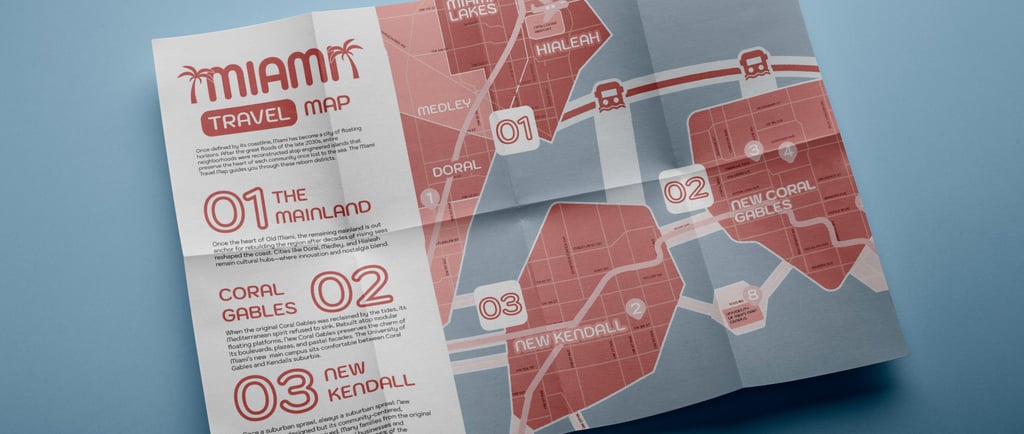
A lot of the projects I’ve enjoyed the most aren’t tied to a real client, deadline, or even a real-world need. They’re ideas that technically don’t exist. Things like New Miami, Codeps, or Xenova all started as “what if” concepts, not assignments with clear outcomes. At first, I thought of these as side projects, something separate from “real” work. But over time, I realized they were actually the projects teaching me the most.
When you’re working with a client or within a class structure, there are usually guidelines. You’re solving a defined problem, working within constraints, and aiming for a specific deliverable. Conceptual projects remove that safety net. There’s no brief telling you what to do, which means you have to define everything yourself. That includes the problem, the audience, the rules, and the logic behind the entire idea.
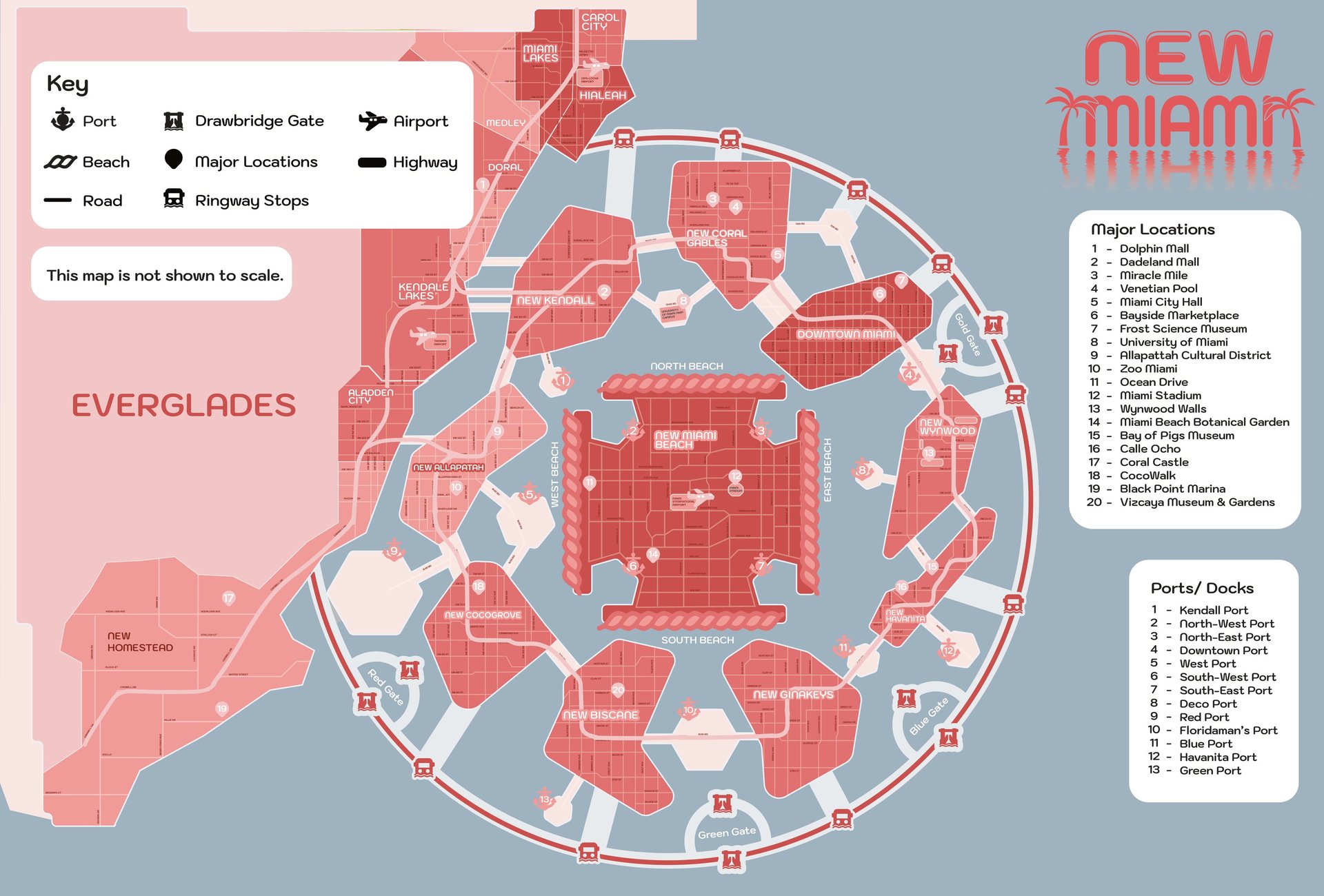
With New Miami, I wasn’t just designing visuals of a flooded city. I had to think about how that city would actually function. How would people move around? What would infrastructure look like? How would transportation adapt to water-based environments? It turned into a systems problem, not just a design problem. I had to consider layers of information that don’t usually come up in a typical branding or advertising assignment.
Codeps pushed that even further. Instead of designing something visual, I was thinking about systems of behavior, identity, and ethics. If these sentient digital beings existed, what rules would govern them? How would they be treated? What would responsible ownership look like? Designing around something like that forced me to think beyond aesthetics and into logic, structure, and storytelling.
Xenova introduced another layer, physical creation. Taking a conceptual idea and turning it into something tangible through 3D printing meant I had to consider not just how it looked, but how it was built, assembled, and experienced. It brought together digital design, physical production, and narrative into one project.
What I’ve learned through all of this is that conceptual work isn’t less valuable because it isn’t tied to reality. If anything, it requires more intention. There’s no existing framework to rely on, so every decision has to be justified. You’re building the world as you go, which means you need internal consistency for the project to feel believable.
These projects also gave me space to experiment in ways I couldn’t in more structured environments. There’s less pressure to meet expectations, which leads to more original outcomes. Instead of asking “what should this look like,” I started asking “what makes sense for this idea?” That shift made the work feel more grounded, even if the concept itself was fictional.
Another thing I didn’t expect is how directly this kind of work translates to professional projects. Even though the ideas aren’t real, the thinking behind them is. Defining systems, building logic, and solving abstract problems are all skills that apply to real-world design. In some ways, conceptual projects prepare you for those challenges better than traditional assignments.
Over time, I stopped separating conceptual work from professional work. They’re part of the same process. The ability to imagine something that doesn’t exist and then build it into something cohesive is valuable, whether you’re designing for a client or exploring an idea on your own.
Moving forward, I don’t plan to stop making projects like this. They’re not distractions from my work, they’re a core part of it. They allow me to test ideas, push boundaries, and think in ways that more structured projects don’t always allow. Even when I’m working within constraints, that mindset stays with me.
The projects that “don’t exist” are the ones that have shaped how I design the most. And in a way, that’s what makes them real.
GET IN TOUCH
@kairifydesign
max@kairify.com